Source Silicone Sleeve Baby Glass Bottle for Suckle, Drinking, Eating
Compare 26 silicone sleeve baby glass bottle options from Guangzhou and Guangdong suppliers. These BPA-free bottles feature wide mouths, anti-colic systems, and customizable logos for infants aged 0-24 months; compare the available evidence and request quotations based on your requirements.
Key considerations
Products List


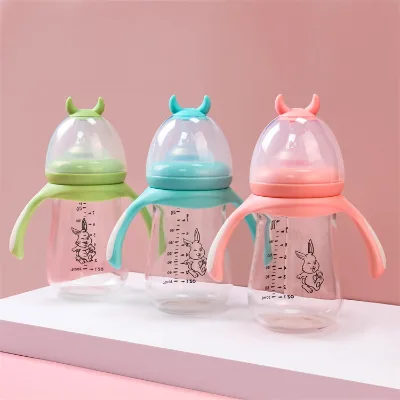
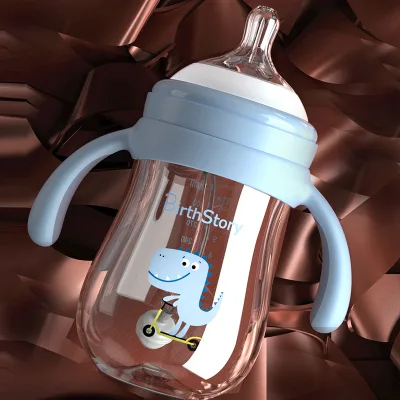
Comprehensive Sourcing Guide
Silicone Sleeve Baby Glass Bottle Sourcing Guide
Procuring silicone-sleeved glass baby bottles requires a precise alignment between material safety, structural integrity, and commercial flexibility. Buyers must prioritize suppliers who can demonstrate consistent quality in both the glass body and the protective silicone component. The core value proposition lies in combining the durability and non-toxic nature of glass with the shock-absorbing properties of silicone. This dual-material approach addresses common concerns regarding breakage and chemical leaching, making it a premium option for infant feeding.
When initiating the sourcing process, focus on suppliers who offer comprehensive customization options, including OEM and ODM services. The ability to accept customized logos and specific packaging configurations is critical for brand differentiation. Verify that the supplier supports sample requests to validate the fit and finish of the silicone sleeve against the glass bottle. This initial verification step ensures that the tactile experience and visual appeal meet your brand standards before committing to large-scale production orders.
Product Scope and Observed Listing Signals
The observed product range includes various models such as KB-45, KB52, KB58, and GB-112, indicating a diverse catalog from manufacturers in Guangdong and Guangzhou. These listings typically feature capacities ranging from 60ml to 240ml, catering to different age groups from 0-12 months to 1-2 years. The presence of multiple model numbers suggests that suppliers can accommodate specific volume requirements, allowing buyers to select the appropriate size for their target demographic. Understanding this scope helps in narrowing down the initial supplier list based on available inventory and production capabilities.
Key attributes observed in the listings include wide-mouth and standard neck options, with bottle diameters varying to suit different nipple types. The silicone sleeve is a consistent feature, often described as available in colors like blue, red, and green, or as part of a solid pattern design. Some listings specify heat resistance ranges, such as -20c to 500c, which is a critical technical detail for sterilization processes. Buyers should note that while some products are marked as BPA-free and phthalate-free, the glass material itself is inherently free from these plastics, adding an extra layer of safety assurance for infant use.
Technical Specifications to Verify
Buyers must rigorously verify the dimensions and capacity of the glass bottles to ensure compatibility with existing accessories or new designs. Standard dimensions observed include 10384160MM for larger models and 80ML for smaller variants. Confirming the exact bottle diameter, whether it is a standard neck or wide mouth, is essential for ensuring that nipples and caps fit securely. Inconsistencies in these measurements can lead to leakage issues or improper sealing, which are unacceptable in infant feeding products. Detailed technical drawings should be exchanged with the supplier to confirm these specifications before mass production.
The silicone sleeve's material properties and attachment method require close inspection. Verify that the silicone is food-grade and free from harmful additives, aligning with the BPA-free and phthalate-free claims often made in product listings. Check the heat resistance of the silicone to ensure it can withstand boiling water sterilization without degrading or releasing odors. Additionally, assess the durability of the sleeve's grip on the glass bottle, ensuring it does not slip or detach during normal handling. These technical details directly impact the product's safety and user experience, making them non-negotiable aspects of the procurement process.
Compliance and Safety Documentation
Compliance with international safety standards is paramount for infant feeding products. Listings indicate certifications such as ISO and FDA, which are critical benchmarks for quality and safety. Buyers should request copies of these certificates and verify their validity and scope. ISO certification ensures that the manufacturing process meets international quality management standards, while FDA approval confirms that the materials are safe for food contact. Ensuring that the supplier maintains these certifications throughout the production cycle is essential for maintaining product integrity and regulatory compliance in target markets.
Beyond general certifications, specific test reports for the glass and silicone components should be requested. Look for documentation that confirms the absence of heavy metals and other toxic substances in the glass, as well as the purity of the silicone. The anti-colic system mentioned in some listings may require additional validation to ensure it functions as intended without compromising safety. Buyers should also verify that the packaging materials, such as OPP bags or cartons, meet environmental and safety standards. Comprehensive documentation provides a clear audit trail and protects the buyer from potential liability issues related to product safety.
Cost Drivers and Commercial Terms
The cost of silicone-sleeved glass bottles is influenced by several factors, including the capacity of the bottle, the complexity of the silicone sleeve design, and the packaging requirements. Observed price ranges in USD vary from 0.2 to 5.54, reflecting differences in product specifications and order volumes. Larger capacities and custom color options for the silicone sleeve may increase the unit cost. Buyers should request detailed quotations that break down the costs for the glass bottle, silicone sleeve, and packaging separately. This transparency helps in identifying areas where cost optimization is possible without compromising quality.
Minimum Order Quantities (MOQ) are a significant commercial consideration, with observed ranges from 20 to 10,000 units. Lower MOQs may be suitable for initial testing or small-batch production, while higher MOQs can reduce the per-unit cost for large-scale orders. Negotiating payment terms and lead times is also crucial; some suppliers offer delivery within 3-5 work days for samples, but mass production lead times may vary. Buyers should clarify the payment structure, such as deposit and balance terms, and ensure that the contract includes provisions for quality assurance and dispute resolution. Understanding these commercial terms helps in managing cash flow and supply chain risks effectively.
Supplier Qualification and Quality Control
Selecting a qualified supplier involves evaluating their manufacturing capabilities, quality control processes, and track record in the infant feeding industry. Suppliers based in Guangdong and Guangzhou are often experienced in producing glass and silicone products, but individual capabilities vary. Request references from previous clients and review their production facilities to assess their capacity and efficiency. A reputable supplier will have a dedicated quality control team that inspects products at various stages of production, from raw material intake to final packaging. This proactive approach to quality control minimizes the risk of defects and ensures consistent product quality.
Implementing a robust quality control plan is essential for maintaining product standards. Buyers should agree on inspection criteria with the supplier, including checks for glass integrity, silicone adhesion, and packaging accuracy. Third-party inspections can provide an additional layer of assurance, especially for large orders. Establishing clear communication channels for reporting and resolving quality issues is also important. A supplier that is responsive to feedback and willing to make adjustments demonstrates a commitment to customer satisfaction. Building a long-term relationship with a reliable supplier can lead to better pricing, priority production slots, and improved product development support.
Long-Term Procurement Checks
Establishing a long-term partnership with a supplier requires ongoing monitoring and evaluation of their performance. Regularly review the supplier's quality metrics, such as defect rates and on-time delivery performance. Conduct periodic audits of their manufacturing processes to ensure that they continue to meet the agreed-upon standards. This proactive approach helps in identifying potential issues before they escalate into major problems. Maintaining open communication with the supplier about market trends and product improvements can also lead to innovative solutions and cost savings.
Diversifying the supplier base can mitigate risks associated with relying on a single source. While a primary supplier may offer the best terms, having a secondary supplier can provide backup capacity in case of disruptions. Evaluate potential secondary suppliers using the same criteria as the primary supplier, including quality, cost, and reliability. Regularly update the supplier list based on performance reviews and market changes. This strategic approach to procurement ensures a resilient supply chain and supports the long-term success of the product line. By focusing on continuous improvement and risk management, buyers can secure a stable and high-quality supply of silicone-sleeved glass baby bottles.
FAQs
What certifications do these silicone sleeve baby glass bottles have?
These bottles hold ISO and FDA certifications to ensure safety. They are also BPA free and phthalate free for infant use. The products originate from Guangzhou and Guangdong, meeting international standards for feeding bottles used by babies aged 0-12 months.
Can I get a customized logo on the silicone sleeve baby glass bottle?
Yes, you can get a customized logo on the bottle. The supplier accepts OEM and ODM services for branding needs. Samples are supported for testing before bulk production. This customization is available for models like KB-45 and KB58 with various packing options.
Which sizes are available for the silicone sleeve baby glass bottle?
Available sizes include small, middle, and large dimensions. Specific capacities range from 60ml to 240ml depending on the model. The standard neck diameter is standard, while some models feature a wide mouth design. These sizes suit different age ranges from newborns to toddlers.
How long is the delivery time for silicone sleeve baby glass bottle orders?
The delivery time is typically 3-5 work days for sample or small orders. Bulk orders may vary based on customization and volume. The supplier supports quick turnaround times while maintaining quality. Packaging options include boxes, cartons, or pallets depending on order size.
What materials are used for the silicone sleeve baby glass bottle?
The bottle body is made of glass with a silicone sleeve for protection. The material is BPA free and phthalate free to ensure safety. The silicone sleeve comes in blue, red, or green colors. This combination provides heat resistance and durability for daily feeding and drinking.
Can I order samples of the silicone sleeve baby glass bottle?
Yes, samples are supported for quality verification before bulk purchase. You can request samples for models like KB-16 or GB-112. The supplier offers customization for logos and packaging. This allows buyers to test the anti-colic system and heat resistance features firsthand.
What is the minimum order quantity for silicone sleeve baby glass bottle?
The minimum order quantity ranges from 20 to 10000 units depending on the model. Specific requirements vary by customization and packaging needs. Buyers can negotiate based on their volume requirements. The supplier accommodates both small trial orders and large industrial purchases efficiently.